By Dan Orlando
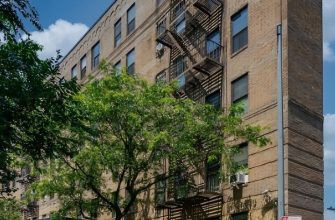
A mudslide at a Yonkers apartment building put the city’s building managers on alert this week.
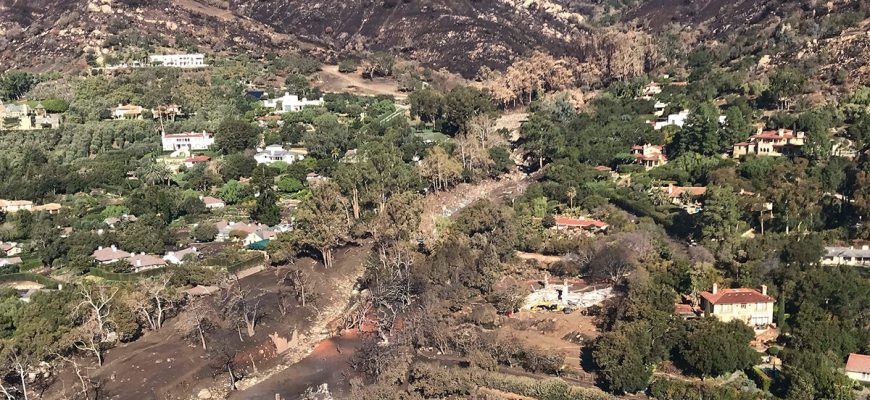
Two buildings and dozens of residents were evacuated after mud slid down the steep hill neighboring the properties.
Melting snow was initially blamed, although a broken pipe was later said to be the cause.

Robert Occhiogrossi, R.A., NCARB, LEED AP managing director at IVI Assessment Services, a CBRE company, said the incident was a stark reminder of the dangers of neglecting property management, particulary as the weather conditions change.
“You can’t anticipate everything that could go wrong but certainly being in a positon where you’re taking an inventory of collateral that you own, that’s always a prudent thing to do in order to really be able to formulate a proactive plan of action,” said Occhiogrossi.
Justin M. Lia, PE, LEED AP a senior project management developer at IVI, suggested that civil or geotechnical engineers be consulted “if cracks are detected in any type of retaining wall or if you see cracking in the pavement.”
Occhiogrossi noted that the area of Manhattan that is likely most at risk for mudslides is upper Manhattan because of the “geology” of the ground. Buildings in that area may have been placed on soil that did not maintain adequate integrity throughout.
Lia said that if a “weak” layer of soil was then topped with a “heavy” layer, then many of the components needed for a land shift are already put in place.
“This sort of thing can be determined in the due diligence process where they do sub surface investigation with soil borings,” said Lia.
“If it was properly installed it would not let them bury things like giant tree trunks and stumps and loose organic soils. These layers decay over time and they develop more voids. The water fills those voids and when the weight of the soil on top increases by super saturation it can lead to a landslide,” Lia said.
“It’s less common now that we have more construction oversight but it certainly was prevalent 20 to 30 years ago or more. They were building a lot of things with very limited inspection,” said Lia.