International flavor having sweet effect on neighborhood

By Orlando Lee Rodriguez
Once upon a time, before there was a midtown theater district, Harlem’s 125th Street was Broadway.
It was the center of jazz music swing, before 52nd Street. It was the home of New York’s powerhouse baseball team, before Yankee Stadium. It was the heart of Italian New York, Puerto Rican New York and the capital of Black America.
As a place that has seen several boom and bust cycles over the last 100 years, developmental change and real estate trends are nothing new to Harlem, and the latest rebirth is a throwback to the neighborhood’s first real estate renaissance in the 1920’s.
Emerging with services: restaurants, banks, hotels and major retail, Harlem may not be as heralded as some of the hipster transplant magnets of Brooklyn, but little by little, the neighborhood is becoming more of a place that families are deciding to settle into for the long term.
“None of us would come here if it wasn’t nice and welcoming,” said Harlem broker Willie Kathryn Suggs, the current record holder for the neighborhood’s most expensive sale. “I don’t know anybody who wants to go live someplace that is crime ridden. People will live where they feel safe.”
“Clearly, a whole bunch of people feel safer wandering around here than they did before. The neighborhood has gotten back most of the amenities from when it was first developed. I can get Investors Business Daily at the corner now,” she said.
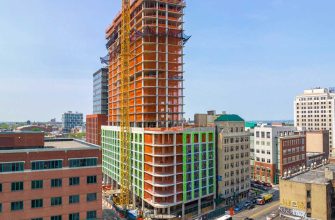
Although new construction has been somewhat dormant since the economic crash of 2008, activity is finally picking up once again.
The Gap has opened an outlet on 125th Street and a Designer Shoe Warehouse, Blink Fitness and Joe’s Crab Shack will open in a new space on 8th Avenue near the Apollo Theater. Whole Foods is set to begin construction on the corner of 125th Street and Lenox Avenue and will open some time in 2014.

“Our saying is that retail follows rooftops — you need to have a certain market base to persuade a store to take a location,” said Faith Hope Consolo, retail chairman at Douglas Elliman. “A consumer can move around to shop. The store can’t move around to follow its customers.
“The development of more residential space in Harlem is certainly helping to drive the growing retail.”
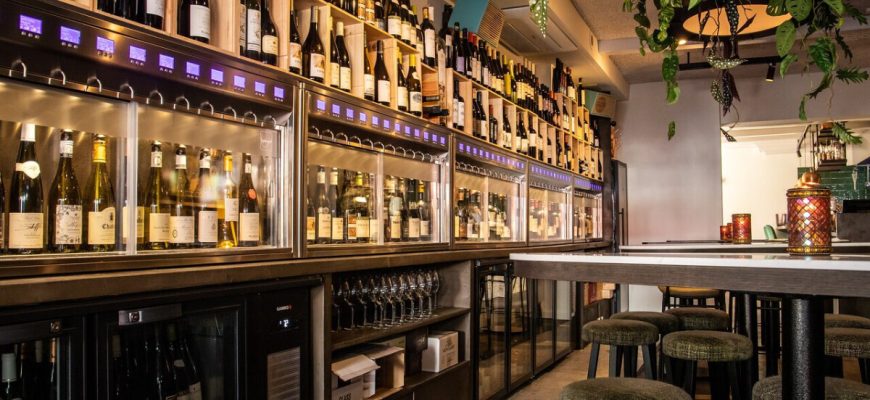
A very vibrant bar and restaurant row has emerged on Lenox Avenue with the Red Rooster, Harlem Social, Cove Lounge, Sylvia’s Restaurant, Patisserie Des Ambassades and Chez Lucienne all located within a three block radius of each other. Richie Notar is in the process of developing a Jazz Club on the strip, while the legendary Lenox Lounge, which Notar’s club replaced, is moving next to two other bars a block and half away.
A 20-minute subway ride from Midtown, pricing deals are still to be had, particularly for the island of Manhattan.
A two-bedroom condo, with a doorman can cost less than $500,000. Brownstones in move-in condition can still be had for around a million.
According to data compiled by brokerage Harlem Lofts, a three bedroom rental will cost less than $5,000 a month on average, with the renter getting 2,050 s/f for their money.
“So many other areas of Manhattan have already been developed, the Lower East Side, the East Village; they are already at the $900-1000 per square foot,” said Chris Lipman, director of sales for Harlem Lofts.
“You still can get $600 a square foot in Harlem — a huge discount. East Harlem is hot also. It’s lower priced per square foot, than West Harlem, but at these lower prices things are being snapped up. I think people would be very happy five years from now if they buy in Harlem,” he said.

The area is also becoming a magnet for international buyers looking to have second homes in New York. Their presence, said Suggs, adds to an already vibrant mix of races, classes and religious persuasions.
“With the international crowd that has moved in here in the last 10 years it’s like the mini UN here,” she said. “Now you hear four or five languages when you are walking down the street. Most of them are not investors, they are buying a second home in America and they want it to be a Harlem townhouse.”
Harlem, Suggs said, is a place where neighbors tend to socialize more on an interpersonal level, irrespective of background, something that she believes is not found as much in other Manhattan neighborhoods. It’s that social mix that is attracting more people, she said.
Jessica Green, director for the Maysles Cinema, one of the first of the new neighborhood institutions on Lenox Avenue, agreed that the new mix adds to Harlem’s vitality and makes it a great place to live.
“It is an interesting and productive mix of different kinds of people in a lot of different ways,” she said.
“There is an influx of African immigrants and of Mexican immigrants. It’s not just the quote-unquote “gentrifiers” coming in. From the stories I’ve heard about what the Upper West side was in the 60’s and 70’s, I think Harlem is now.”