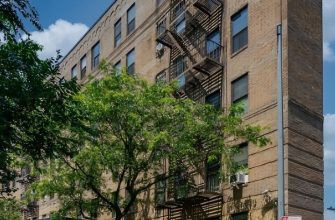
Negotiations are now underway between the Realty Advisory Board on Labor Relations (RAB) and Local 32BJ for a new contract for residential building service employees in New York City’s more than 3,000 rental buildings, co-ops and condos.
The current contract will expire at midnight on April 20, and impacts 30,000 residential building workers.
The good news is that the RAB and 32BJ have an excellent working relationship. So far there has been a lot of progress and a general sense of goodwill on both sides in the current negotiation. Our initial proposals to the union reflected broad consensus with their own starting requests, including: fair and reasonable wage increases; maintenance of the current level of healthcare and pension benefits; and an expansion of the current scholarship program and training classes.
Residential building service work is a great occupation with a solid middle-class wage and benefits. In the last residential negotiation in 2010, the parties agreed to a 12 percent wage and benefit increase—far better than what most sectors experienced during the economic downturn—and to establish a healthcare savings committee tasked with reshaping the health fund to make it more affordable.
This has enabled the apartment building workers to maintain their health benefits without having to pay a premium while reigning in the cost of contributions to employers. Because of the positive relationships we have built over the years and the industry’s commitment to keeping 32BJ the best compensated residential building workers in the country, there has not been a strike in the residential sector since 1991.
Today, the union is expected to vote to empower their negotiating committee with the authority to call a strike if the negotiations break down – a perfunctory move that happens even when no strike takes place. Though we intend to reach a mutually agreeable resolution this year, it is important that you begin preparing for the possibility just in case things don’t go as expected.
Here are some important advance preparations that you should take to minimize the burden on operations in the event of a strike.
• Conduct a comprehensive check of building systems. Inspect oil burners, elevators, water pumps, roof tanks, HVAC systems and make all necessary repairs now.
• Limit any move-ins, move-outs and alterations starting on April 21.
• Test all security, fire alarm and communication systems and make necessary repairs. Review the fire evacuation plan with management personnel. Update the list of residents so as to be clear who should be permitted access to the building and distribute ID cards.
• Review insurance policies to determine what coverage is available during a strike. Consider additional insurance coverage against vandalism or malicious mischief.
-1-
1172/61130-007 current/42101717v1 03/18/2014 2:18 pm
• Secure all building machinery and equipment rooms at least 24 hours before the strike deadline.
• Make arrangements now for as many security guards as you will need to guarantee the safety of your building and its tenants. Owners of buildings with lobby attendants should replace them with security guards. Consider training replacements or volunteers to operate critical equipment such as manual elevators.
• Keep fuel in good supply by arranging for delivery just prior to the strike deadline. Discuss with your fuel company potential delivery problems during a strike and the possibility of delivering fuel during off-hours.
• Make arrangements now for alternate means of providing cleaning and rubbish removal and be sure to have an adequate supply of garbage bags on hand.
Another essential component of strike preparation is communication with resident owners and tenants. Effective correspondence can temper some of the difficulties that residents and tenants may experience during a strike.
Good communication should take place in stages. For example, before the contract expires, residents and tenants should be notified of the possibility of a strike. Then, as the expiration date approaches, send a letter updating the tenants of the situation, assuring them that essential services will be provided, and advising them of any modifications regarding cleaning, deliveries, and safety. Finally, if a strike occurs, apprise residents of the situation, but reassure them that bargaining sessions are being held with efforts to reach a fair agreement as quickly as possible.
While the RAB fully expects a contract to be reached and a strike avoided, taking these steps now will not only reduce the burden of a strike on building owners and managers, it will send a message to the union that the industry is prepared to go the distance to accomplish its collective bargaining objectives. Remember: an ounce of prevention is worth a pound of cure. For further information or answers to questions, call the RAB at (212) 889-4100, or log on to the RAB website at www.rabolr.com. You can also follow us on Twitter at @RABOLR.
Howard Rothschild, Esq.
President, Realty Advisory Board on Labor Relations, Inc.