By Sarah Trefethen

In 1964 the lobby of the Empire State Building was redecorated. In 2007, the architecture firm Beyer Blinder and Belle was hired to put it back.
“There was a Lycra ceiling,” Richard Metsky, the firm’s lead designer, said with a dramatic pause. “Florescent lights.”
Today, the lobby has been returned to the recess-lit grandeur of another era.
“We have the same lighting levels and the same drama you would have walking into that space in 1938,” Metsky said.
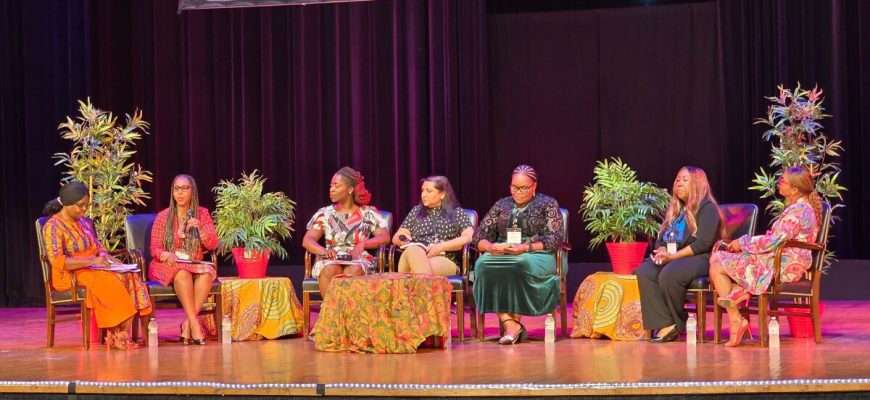
Metsky spoke at a NAIOP-sponsored breakfast forum on March 30, where panelists made their case for restoring and re-using existing buildings as part of ongoing development.
That means not only maintaining iconic buildings like the Empire State Building, but also looking for ways that other existing structures can be added to, modified and built upon, according to Hugh Trumbull, a design principal at Kohn Pedersen Fox, the architecture firm designing the master plan for the redevelopment of Hudson Yards.
“With New York, what is really wonderful is its ability to perpetually reinvent itself,” he said.
Creativity and balance are the keys to mixing the old with the new as the city continues to build, the panelists said.
“New York is at its population peak. We’ve never had 8.3 million people living in New York City before,” said Mitch Korbey, a partner at Herrick, Feinstein LLP and chair of the firm’s land use and environmental group. “As New York continues to grow and change, this is a very good thing for architecture, this is a very good thing for development.”
He went on the estimate that soon 30 percent of Manhattan would be under landmark protection. But there can be benefits to landmark status for a property, Korbey said, including opportunities for zoning relief and, at times, an increase in property value.
The key to successfully developing an historic property is to work closely with the staff of the Landmarks Preservation Commission, according to the panelists.
“You’ve got to strike the right balance; you’ve got to have the right strategy,” Metsky said. In addition to the ESB, Beyer Blinder and Belle’s projects have included the Chrysler Building, the Capitol building in Washington, D.C., and the current work to restore New York City Hall, as well as industrial-to-residential conversions in Manhattan, Brooklyn and the Bronx.
Korbey encouraged building owners to work with architects, consultants who are already familiar with the landmarks commission.
“Upfront dialog with the landmarks staff before a building is landmarked is critical,” he said, and establishing a master plan for a building can save the hassle of applying to the commission every time a property owner wants to change the awnings on an historic façade.
An international perspective can also help guide New York, according to Trumbull.
In London and Pairs, he said, “there is a lot of knowledge and know-how,” while in Beijing, “they’re struggling with tearing down too much.”
In the end, it’s still about building for the future. “Yesterday’s buildings are only truly preserved if they can meet out needs today and tomorrow,” Metsky said.