
The Durst Organization has enlisted its apartment tenants to launch the city’s first leftovers recylcing plan.
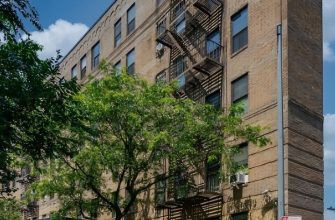
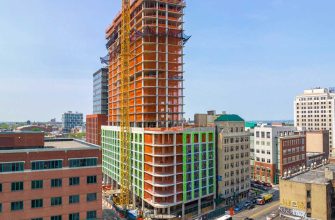
The landlord is offering residents of its Helena apartment building a food scrap collection program that takes “organic materials” such as food scraps, soiled paper and plants out of the trash stream, and recycles them.
“We are extremely excited to begin this program in our residential portfolio and we believe that we will be able to replicate the success and enthusiasm for this program across the City,” said Helena Durst, who officially launched the program with Sanitation Commissioner John J. Doherty.
To take part in the program, residents collect their organics in small kitchen containers in their individual apartment units, and then deposit their organics in to larger organics collection bins located in their floor’s trash room.
Building staff regularly collect and empty the trash room organics bins and set out the organic material for DSNY collection. DSNY collects organic material from the building five days a week.
The program will help the City reduce trash disposal costs, achieve its recycling goals and limit greenhouse gas emissions.
“We are pleased to work with The Durst Organization to make residential composting a simple process,” said Commissioner Doherty. “We hope that the Helena will be the first of many buildings throughout the city to offer residents a convenient way to further help the environment.” The Helena building, at 601 W. 57th Street, became the first to offer organics collection to all its residents as a result of a tremendous response to a pilot program offered in a portion of the building. Now, all 600-units in the building are eligible to participate.
“We are very proud to partner with the Department of Sanitation on New York City’s first apartment building organics collection program,” said Helena Durst of The Durst Organization. “We have been composting our organic matter in nine of our commercial buildings and increased our landfill diversion rate to over 80 percent of the weight of waste we produce.”
After collection, the organics collected from the Helena building will be combined with organic material collected from some city schools and taken to a local DSNY composting facility. There, it will be processed and eventually turned in to compost that may be used in parks, community gardens, street trees, and in neighborhood beautification projects.
“Recycling our organics can have measurable, positive effects on our city and the environment,” said Ron Gonen, DSNY’s Deputy Commissioner for Recycling & Sustainability.
“Compostable organics makes up about a third of our residential waste stream. With residential composting, we have the opportunity to keep these materials out of landfills and help lower our export costs. In addition, those materials will turn to compost to help nourish the trees and plants throughout the city. It’s a win-win proposition.”
Examples of items that may be composted include food scraps (fruits, vegetables, egg shells, pasta, tea bags, coffee grounds and filters, baked goods, meat and bones), flowers and houseplants and soiled paper, such as tissues, paper towels, napkins and paper plates.
Examples of items that may not be composted include plastics of any kind, even if labelled compostable or biodegradable, liquids, foam items, animal waste, cigarettes and ashes, and medical waste.