As state lawmakers consider New York’s 2017-2018 housing budget, the New York State Association for Affordable Housing (NYSAFAH) released a new report revealing that statewide affordable housing efforts generated $54.5 billion in total economic impact between 2011 and 2015. This impact included construction-related spending and permanent local economic activity created as a result of housing and mixed-use construction and preservation.

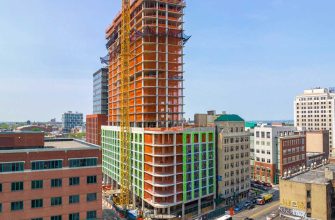
Photo by sanchez jalapeno/ Flickr
The report found that New York’s affordable housing industry produced more than 25,000 homes per year between 2011 and 2015. Additionally, the report shows that the affordable housing industry created more than 65,000 construction-related jobs and more than 9,000 permanent jobs annually over that period of time. The full report is attached.
“Affordable housing is not just a lifeline for low- and middle-income families – it is an economic engine that helps drive communities across New York State,” said Jolie Milstein, president and CEO of NYSAFAH.
“We urge lawmakers to fully fund all of Gov. Cuomo’s affordable housing initiatives in this year’s state budget. A robust housing budget will enable us to address the housing and homelessness crisis, strengthen local economies and create tens of thousands of good jobs for New Yorkers of all backgrounds.”
NYSAFAH’s new report, which was prepared by HR&A Advisors, follows a previous report, prepared by the same firm, that was released in 2012. The 2012 report found that, between 2003 and 2010, affordable housing development in New York produced a total economic impact of $39.6 billion. The report released today showed that the industry’s total economic impact grew to $54.5 billion between 2011 and 2015 – showing that the pace of this growth has increased significantly over time.
The number of total affordable housing units produced statewide has also increased since the previous 2012 report was released. Between 2003 and 2010, around 18,500 affordable homes were built and preserved per year – and that volume of production increased to more than 25,000 homes per year between 2011 and 2015.
The significant increase in economic impact can be attributed to the higher rate of affordable housing construction, increased investment in housing development and a higher rate of retail and commercial development accompanying new affordable housing projects, which provide additional jobs and economic growth within communities across the state. These mixed-use developments have been accomplished by NYSAFAH members both downstate and upstate.